.avif)

TL;DR: Spin-to-win popups usually convert 2 to 3 times higher than standard popups, but they pull in more discount seekers and dead emails. Standard popups grow a smaller, cleaner list. The right pick depends on your margins, your brand, and how well you sunset inactive subscribers. This guide compares both on real Klaviyo numbers so you can choose the format that grows revenue, not just signups.
A spin-to-win popup is a gamified opt-in form that lets shoppers spin a wheel for a prize, and it converts 2 to 3 times more Shopify visitors into subscribers than a standard popup. That number makes the choice sound easy. It isn't. The real question behind spin-to-win vs standard popups is list quality. A wheel can double your signup rate and still lose you money if half those emails never buy. A plain popup grows slower but stays clean. Across the Shopify stores we manage at CartStrings, we've seen both formats win and both formats backfire. The difference is rarely the popup itself. It's the store behind it, the margins, and what happens after someone opts in. This guide breaks down the real conversion numbers, the hidden costs, and exactly when each format makes sense.
What is a standard popup?
A standard popup is a simple signup form that offers one incentive, usually a percentage off, in exchange for an email or phone number. It shows once, asks for one or two fields, and disappears. No game, no wheel, just a clear trade.
This is the format most Shopify stores start with. It's fast to build, easy to read, and works on any device. A shopper sees "10% off your first order," types an email, and gets a code.
Standard popups convert at 3 to 5 percent for most ecommerce stores, according to Wisepops. The average across all popup types sits near 4 percent. Ecommerce runs a bit higher, around 6.88 percent, based on Omnisend's study of 1.24 billion popup displays.
The strength of a standard popup is trust. It doesn't feel like a trick. The weakness is its ceiling. Once your offer gets ignored, your signup rate stalls and there isn't much left to test.
What is a spin-to-win popup?
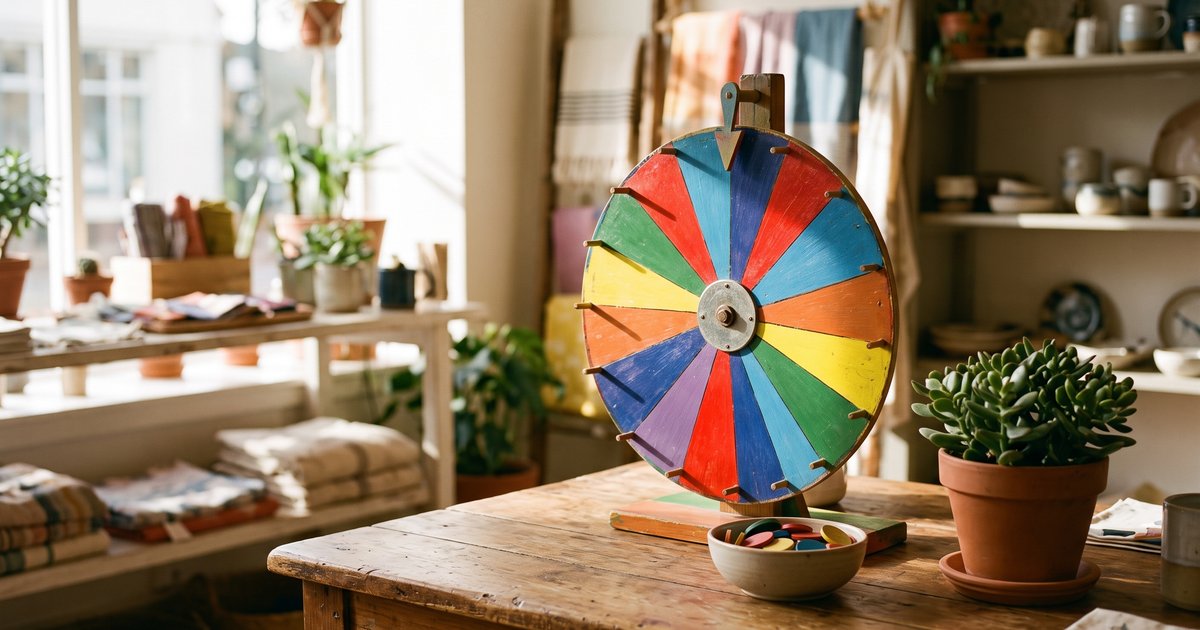
A spin-to-win popup, also called a spin-the-wheel or gamified popup, turns the signup into a game. The shopper enters an email, spins a digital wheel, and lands on a prize like a discount, free shipping, or a free gift. Almost every slice wins something.
The psychology is simple. People value a reward they feel they earned more than one you hand over. Klaviyo's guide on spin-to-win forms makes the same point: when someone works for the prize, they're more likely to use it.
That extra engagement shows up in the numbers. Wisepops reports spin-to-win popups convert 125 percent higher than traditional popups. Gamified signup forms convert around 9.18 percent versus a 3.53 percent average across all forms, roughly 2.6 times better. Sleeknote found its spin-to-win campaigns hit 8.67 percent against 3.70 percent for popups without the wheel.
The catch is what those numbers don't show.
Spin-to-win vs standard
Spin-to-win wins on raw conversion. Standard wins on list quality. Gamified wheels pull 8 to 15 percent signup rates versus 3 to 5 percent for standard popups. But a chunk of wheel signups are discount hunters, so the higher rate doesn't always mean more revenue.
Here's how the two formats stack up:
- Signup rate: spin-to-win 8 to 15 percent, standard 3 to 5 percent.
- List quality: standard is cleaner, spin-to-win pulls more discount seekers.
- Brand feel: standard feels calm, spin-to-win feels loud.
- Build time: both are quick to launch in Klaviyo.
- Margin risk: spin-to-win trains buyers to expect a deal.
Top spin-to-win campaigns reach 30 percent conversion in Wisepops' data, and OptiMonk's lucky wheels average around 13 percent. Those numbers are real. But conversion rate is a vanity metric if the people who convert never buy at full price.
The hidden cost of the wheel
Here's what most spin-to-win guides skip. The cost of a wheel isn't the signup rate. It's the revenue per subscriber over the next 90 days.
When a shopper spins for a prize, some enter fake emails to keep spinning. Those addresses bounce or sit dead on your list. Others are pure discount hunters. They grab the code, buy once at a thin margin, then unsubscribe or go quiet.
So you end up with two lists doing very different work. A standard popup might add 100 subscribers a month where 40 buy. A wheel might add 300 where 60 buy. More total buyers, yes, but a lower-quality list that's harder to keep healthy and cheaper per order.
That's the trade. A wheel buys you volume. It costs you margin and inbox health. For a store with strong margins and a real welcome flow, that trade often pays off. For a premium brand or a thin-margin store, it can quietly drain profit while the signup chart looks great.
The fix isn't to avoid the wheel. It's to measure the right thing. Track revenue per subscriber and 90-day buyer rate by signup source, not just the popup conversion rate. If your email automations do their job, a spin-to-win list can still be profitable. If they don't, the wheel just fills a leaky bucket faster.
Do they hurt deliverability?
Yes, spin-to-win popups can hurt deliverability more than standard popups. Fake and low-quality emails from repeat spinners raise your bounce rate and drag down sender reputation. Left unchecked, that pushes your good emails toward spam for everyone on your list.
Mailbox providers watch how your list behaves. High bounces, low opens, and spam complaints tell Gmail your sender is risky. A wheel that pulls in junk addresses feeds all three signals.
This is fixable, but it takes work. You need a sunset flow that removes subscribers who never open, plus a suppression segment for hard bounces. Clean the list often. Across our accounts at CartStrings we hold 99.8 percent inbox delivery, and strong deliverability hygiene is a big reason why. Run a wheel without that hygiene and you trade a short signup spike for long-term inbox damage.
When to use each popup
Pick the format that fits your store, not the one with the bigger number.
Use a spin-to-win popup when you sell impulse-friendly products, run healthy margins, and have a welcome flow ready to sort real buyers from deal chasers. It's also a strong play during high-traffic moments like a product launch or BFCM, when volume matters most.
Use a standard popup when you sell premium or high-trust products, run thin margins, or care more about a clean list than a fast one. A calm, well-written popup protects your brand and still pulls 5 to 8 percent when the offer is right. You don't even have to give a discount. A standard popup can trade real value like a style guide, a quiz result, or early access instead of a code.
Not sure? Run an A/B test. Send half your traffic to each and compare revenue per subscriber after 30 days, not just signup rate. The data will settle the debate for your store. One clean test beats a year of guessing about which popup your shoppers actually prefer.
Spin-to-win in Klaviyo
You can build both formats natively in Klaviyo, with no extra app.
For a standard popup, create a signup form, add your email and SMS consent fields, set the trigger and timing, then connect it to your welcome flow. Klaviyo's form display optimization uses AI to test timing and show the highest-converting version automatically.
For a spin-to-win form, Klaviyo has a few rules. Each form needs exactly one wheel and at least one email or SMS consent field. It must display on all devices. You have to include the right disclosure language for each type of consent, since a wheel counts as a sweepstakes. You can set the reward and win probability for each slice, and Klaviyo builds a success step with the matching coupon for every prize.
Whichever you build, the popup is only step one. The welcome flow behind it is where the revenue happens. If you want that full system built right, our popup and capture setup and Klaviyo audit are where we start with new stores.
The bottom line
So which wins, spin-to-win vs standard popups? Neither, on its own. A spin-to-win popup wins on raw signups and works great for high-margin, impulse-friendly stores that sunset dead contacts. A standard popup wins on list quality and fits premium brands and thin-margin stores. The real winner is the store that measures revenue per subscriber instead of signup rate, and pairs any popup with a welcome flow that turns new emails into buyers.
At CartStrings, email drives about 32 percent of the revenue for the Shopify brands we manage, and it starts with the right capture setup, not the flashiest one. If you're not sure which popup your store should run, or your current one is filling your list with dead weight, book a call and we'll map it out with you.
Frequently Asked Questions
Do spin-to-win popups still work in 2026?
Yes, when they fit the store. On impulse-friendly shops with healthy margins, they still pull 8 to 15 percent signup rates. On premium brands or cluttered sites, they often do more harm than good. The format works; the wrong context is what fails.
Are spin-to-win popups bad for your email list?
They can be. Wheels attract discount seekers and repeat spinners who enter fake emails, which lowers list quality and can hurt deliverability. You can offset this with a sunset flow and regular list cleaning, but a standard popup usually gives you a cleaner list to start.
What's a good spin-to-win conversion rate?
For Shopify stores, 8 to 15 percent is a solid range, and top campaigns reach 30 percent. A standard popup in the 5 to 8 percent range is also strong. Judge success by revenue per subscriber, not the signup rate alone.
Can you build a spin-to-win popup in Klaviyo?
Yes. Klaviyo has a native spin-to-win form with one wheel, custom slice rewards, win-probability controls, and auto-generated coupon success steps. You don't need a third-party app. Just include the right consent and sweepstakes disclosure language.
Which converts better, spin-to-win or standard popups?
Spin-to-win converts 2 to 3 times higher on raw signups. Standard popups deliver a cleaner, higher-intent list. The better choice depends on your goal: volume favors the wheel, quality and margin favor the standard popup.